What should OEM buyers confirm before ordering microwave oven tubular heaters?
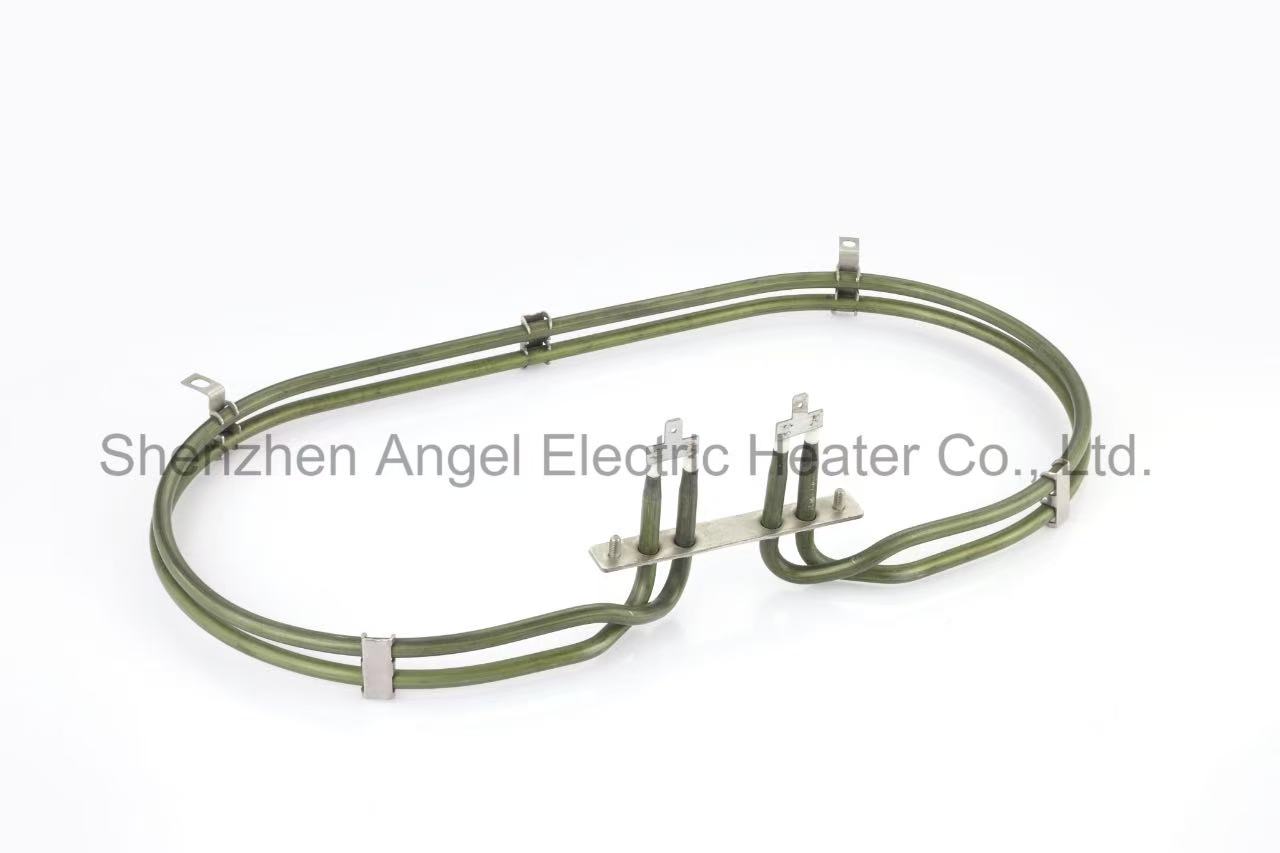
Buyers should confirm the drawing, tube diameter, bend shape, terminal direction, mounting distance, voltage, wattage, tube material, insulation needs, packing method, and sample approval process. These details help the supplier evaluate whether the heater can match the appliance cavity and electrical design before a purchase order is released.
Which tube materials are relevant for this microwave oven heater?
The product page lists SUS304 as the standard material and SUS321, INC840, and INC800 as optional materials. The correct choice depends on temperature exposure, corrosion conditions, heating-cycle frequency, and the appliance design environment. Buyers should share working temperature, installation location, and expected use conditions during the sourcing discussion.
How should voltage and power be specified for an OEM heater project?
The listed voltage ranges are AC 100-120V and AC 220-240V, while power can be customized according to the heating requirement. Procurement and engineering teams should provide the target appliance market, control system limits, cavity structure, desired heating speed, and safety margin requirements so the supplier can review a suitable rating.
Why is drawing confirmation important for compact tubular heaters?
Compact tubular heaters often fit into limited appliance space. A small mismatch in bend radius, tube length, terminal angle, or mounting point can affect assembly. Drawing confirmation gives both sides a shared reference for sample production, dimensional inspection, and batch consistency checks.
What information helps evaluate samples before batch procurement?
Useful sample evaluation information includes the confirmed specification sheet, material grade, electrical rating, drawing version, terminal construction, insulation structure, visual inspection notes, packing photos, and test conditions used by the buyer. Keeping these records together helps purchasing, engineering, and quality teams compare the sample against order requirements.
Can this heater be used outside microwave oven applications?
The product page lists use in microwaves, ovens, drying equipment, sterilization equipment, and related heating systems. Each application still needs project review because installation space, operating temperature, voltage, control method, and surrounding materials can change the heater structure and specification.